
Iran is witnessing a deeply sensitive and historic moment after reports emerged that Mojtaba Khamenei has chosen to stay away from the multi-day funeral ceremonies of his father, Ali Khamenei, due to severe security concerns.
The absence of Mojtaba from such a major national and religious event has drawn significant attention inside Iran and across the international community. In a political system where symbolism matters almost as much as public statements, his decision not to appear publicly has immediately raised questions about security threats, internal tensions, and the future direction of Iran’s leadership.
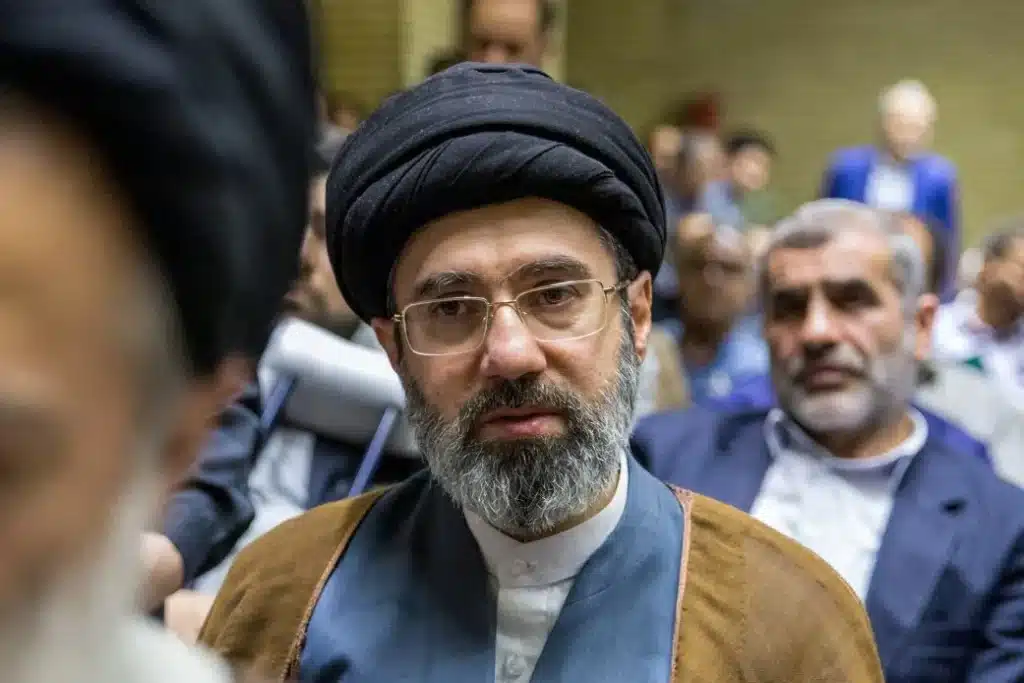
For many Iranians, this moment is not just about mourning the passing of one of the country’s most influential leaders. It is also about what comes next.
Why Mojtaba Khamenei’s Absence Matters
Funeral ceremonies for a Supreme Leader in Iran are not ordinary state events. They are highly symbolic gatherings attended by political elites, military commanders, religious clerics, and citizens from across the country.
In such moments, public appearances carry enormous meaning. That is why the absence of Mojtaba Khamenei stands out.
For years, Mojtaba has remained a powerful but largely behind-the-scenes figure in Iran’s political and religious structure. Though he has rarely maintained a visible public role, analysts have long considered him influential within elite circles, particularly among conservative power centers. His decision to skip the ceremonies suggests that security agencies may believe the threat level is unusually high.
Also read: Mexico Finally Breaks 40-Year World Cup Curse With Emotional Win Over Ecuador
Security Concerns Appear Severe
Iran has faced growing internal and external pressures in recent years. The country has dealt with:
- Rising regional tensions
- Internal political unrest
- Growing economic frustration among citizens
- Increasing fears of targeted attacks against senior leadership
Against that backdrop, protecting individuals linked to the country’s leadership has become an even bigger priority.
If security officials advised Mojtaba to avoid large public gatherings, it indicates concerns over potential threats ranging from assassination attempts to public unrest or security breaches during mass ceremonies.
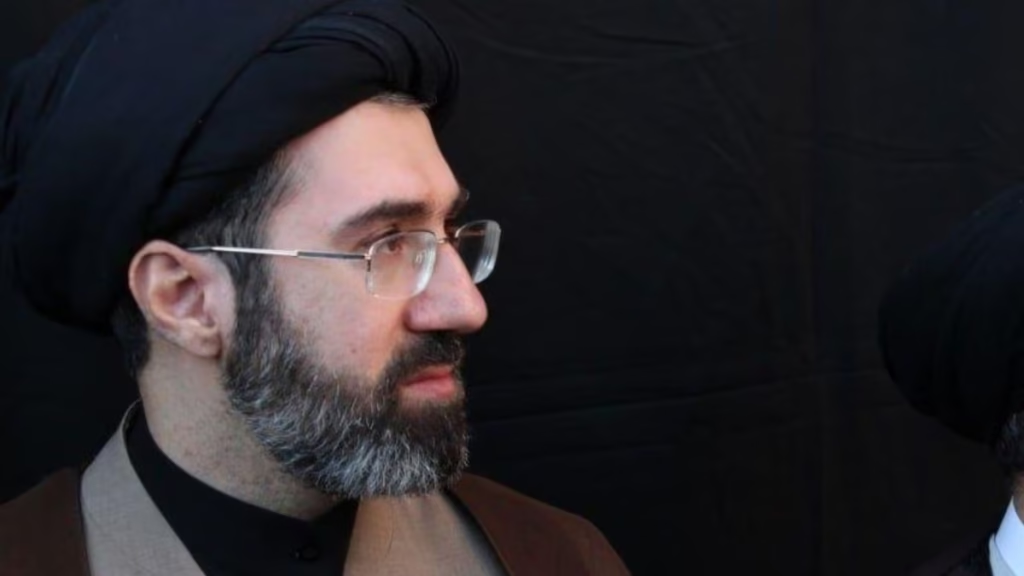
Funerals involving senior Iranian leaders typically draw huge crowds, making them difficult to secure completely. That risk becomes even greater when a possible future power figure is involved.
The Bigger Question: Who Leads Iran Next?
The biggest issue surrounding this development is succession. The death of Ali Khamenei creates one of the most consequential political transitions in modern Iranian history. The Supreme Leader is Iran’s highest authority, with influence over:
- National security
- Foreign policy
- Judiciary
- Armed forces
- Religious authority
Naturally, attention has shifted toward who may emerge as the next leader.
For years, Mojtaba Khamenei’s name has appeared in succession discussions, though Iranian authorities have never officially confirmed such speculation.
His absence from public mourning ceremonies may fuel even more discussion.
Some observers may interpret it as a sign of extraordinary caution. Others may see it as evidence of deep political sensitivity during a critical transition.
What Happens Next?
Iran now enters a period of intense focus. The coming days will likely reveal more about:
- Funeral proceedings
- Security arrangements
- Political messaging from senior officials
- Early signals about leadership succession
Global powers will also watch closely.
Iran’s leadership transition matters far beyond its borders. Any shift at the top could influence regional stability, diplomatic relations, nuclear negotiations, and broader Middle East geopolitics. For ordinary citizens, however, this moment feels more personal. A chapter in Iran’s history is closing. Another is beginning—under extraordinary uncertainty. And for now, the absence of one man from one funeral has become a powerful signal that the days ahead may shape Iran’s future in profound ways.
I loved as much as you’ll receive carried out right here.
The sketch is attractive, your authored material stylish.
nonetheless, you command get got an shakiness over that you wish be delivering the following.
unwell unquestionably come more formerly again since exactly the same nearly a lot often inside case you shield this increase.
Pingback: Trump’s Video on Iran Strikes Draws Attention