
The latest chapter in the long-running confrontation between the United States and Iran is being shaped not only by military operations but also by how those operations are presented to the public. President Donald Trump has drawn fresh attention after sharing a video highlighting recent U.S. strikes on Iranian targets and describing the American response as “20 times” larger than the actions that preceded it. The post quickly spread across social media, turning a military development into a broader political and diplomatic conversation.
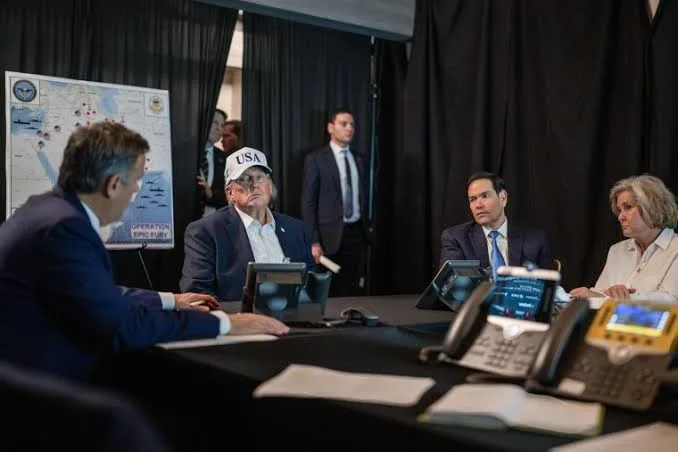
At the center of the story is a simple question: Was the message intended only for Iran, or was it also aimed at allies, adversaries, and American voters watching events unfold from thousands of miles away?
What Happened?
Trump shared a video emphasizing the scale and force of recent U.S. military operations against Iran. The post came amid heightened tensions between Washington and Tehran following a series of incidents that have increased concerns about regional stability in the Middle East.
The video focused on the strength of the American response and framed the strikes as a demonstration of overwhelming military capability. Trump’s description of the operation as “20 times” larger than the actions that triggered it immediately became one of the most discussed aspects of the post.
While military officials continue to assess the impact of the strikes, the political significance of the message has become a major part of the story. In modern conflicts, public communication often becomes almost as important as military action itself.
Why This Matters
Military operations can influence events on the ground, but public messaging influences how those events are interpreted around the world.
By highlighting the scale of the strikes, Trump appeared to be sending multiple signals at once. To Iran, the message suggested that further attacks could bring a significantly stronger response. To U.S. allies, it projected an image of military readiness. To domestic audiences, it reinforced a longstanding argument that strength and deterrence are necessary to prevent larger conflicts.
This is why the story has gained attention far beyond defense circles. It is not only about what happened during the strikes; it is also about how leaders use communication to shape perceptions during periods of international tension.
The Bigger Context Behind the Confrontation
Relations between the United States and Iran have experienced repeated cycles of escalation for decades. Disputes involving regional influence, security concerns, military activity, and strategic interests have regularly placed the two countries on opposing sides of major geopolitical developments.
Each new military exchange raises concerns about whether the situation will remain limited or expand into a broader regional crisis.
The Middle East remains one of the world’s most strategically important regions. Any increase in tensions can affect international trade routes, energy markets, diplomatic relationships, and security calculations across multiple continents.
As a result, developments involving Washington and Tehran are rarely viewed as isolated incidents. Governments, investors, and military planners often examine such events for clues about what could happen next.
Also read: Iran’s Leadership Faces Uncertainty as Mojtaba Khamenei Skips Funeral Ceremonies Over Security Fears
How the Public Is Reacting
Reaction to Trump’s post has reflected the divisions that often emerge during national security debates.
Supporters argue that strong responses can discourage future attacks and demonstrate that threats against American interests will not go unanswered. From this perspective, emphasizing military strength is seen as an important part of deterrence.
Critics, however, question whether public displays of military power risk increasing tensions rather than reducing them. Some analysts believe that aggressive rhetoric can complicate diplomatic efforts and make de-escalation more difficult.
Others have focused on the broader issue of how social media is changing the way military events are communicated. A single post can now reach millions of people within minutes, influencing public perception before official briefings and detailed assessments are available.
The Role of Social Media in Modern Geopolitics
The story also highlights a larger shift in global politics.
In previous decades, major military developments were often communicated through government statements, press conferences, or official reports. Today, world leaders can deliver messages directly to the public through social media platforms.
This has accelerated the speed at which information travels and increased the influence of political messaging during international crises.
For supporters, direct communication allows leaders to speak without intermediaries. For critics, it raises concerns about oversimplification, misinformation, or the use of emotionally charged content during sensitive situations.
Either way, social media has become a powerful tool in shaping how global events are understood.
What Comes Next?
The most important question now is whether the latest exchange marks a temporary escalation or the beginning of a more prolonged period of confrontation.
Diplomatic channels remain active, and international observers continue to monitor developments closely. Any future military action, political statement, or diplomatic breakthrough could significantly alter the trajectory of the situation.
Also read: Mexico Finally Breaks 40-Year World Cup Curse With Emotional Win Over Ecuador
For ordinary citizens, the consequences extend beyond foreign policy headlines. Increased tensions can influence energy prices, financial markets, global trade, and international security conditions. That is why Trump’s video has attracted such widespread attention. It was more than a social media post. It became part of a larger story about military power, political communication, and the uncertain future of one of the world’s most closely watched geopolitical rivalries. As events continue to develop, the focus will remain not only on what happens on the battlefield but also on how leaders choose to frame those events for audiences around the world.
Pingback: South Africa Mourns Jayden Adams: World Cup Midfielder Dies at 25, Leaving a Nation in Shock - All Information